
Irene Zanello
Psychomotrician and educator
Irene Zanello
Psychomotrician and educator
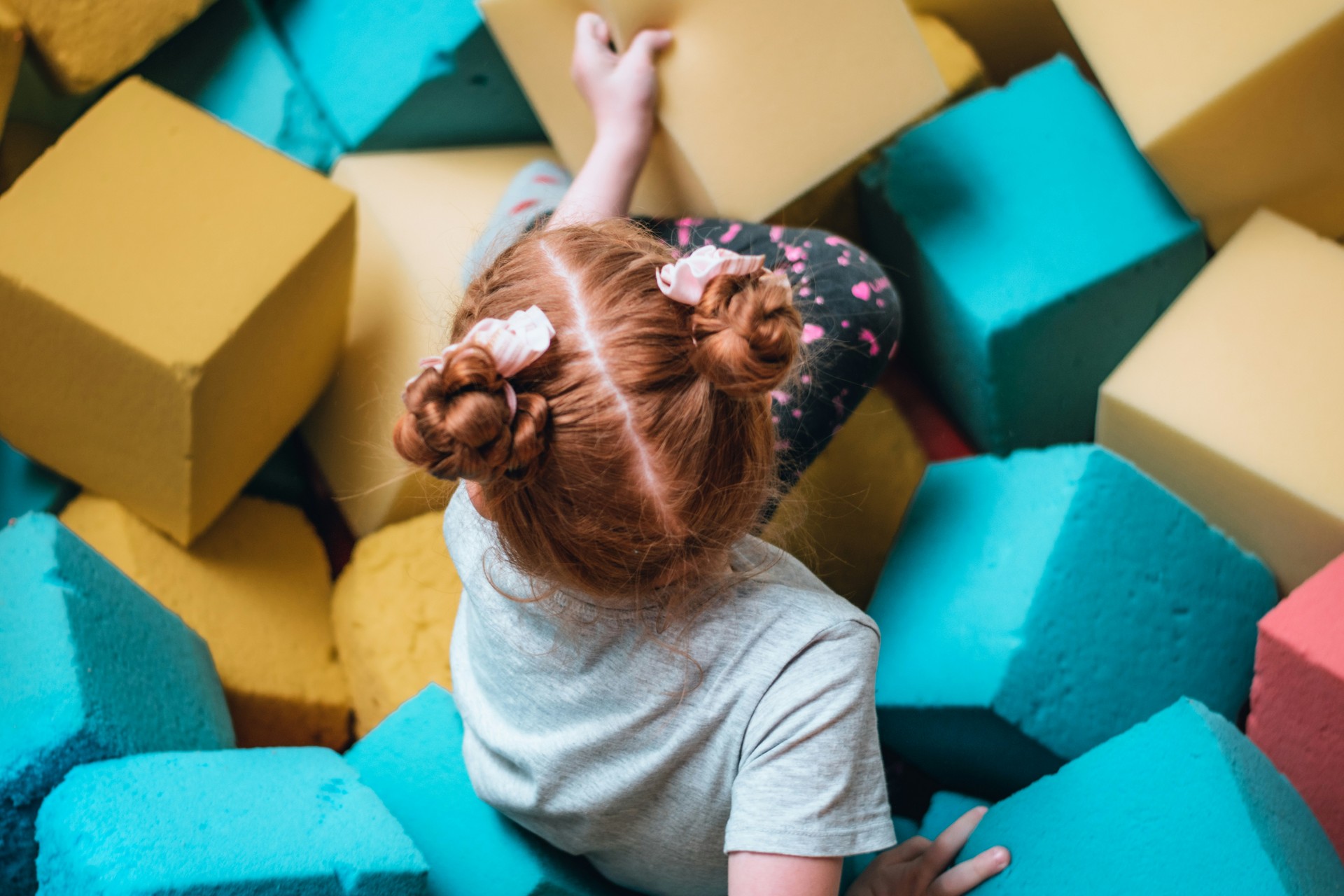
Spontaneous play is the natural language through which the child expresses their inner world. Psychomotricity uses this play as an observation tool and as an opportunity to accompany the child in the discovery of self, others, and the world. It is a precious educational tool based on the uniqueness of human beings, the importance of movement and experimenting through the body, the valuation of skills, the welcoming of emotions, and the centrality of relationships. Psychomotricity is an emotional gym that helps boys and girls develop skills that are useful even in adulthood.

Psychomotricity is for everyone. It accompanies and supports:
Harmonious development and emotional regulation.
Social, motor, and cognitive skills.
Valuing every type of intelligence and promoting self-esteem and autonomy.
Giving space to the need for movement and physicality.
Helping to feel adequate in relationships.
Supporting socialization and communication processes.
Favoring creativity and global well-being.
Supporting and valuing global growth while preventing distress.
Let’s try to step into a session.
What happens? Each meeting is divided into three phases.
The Initial Moment: We sit in a circle, greet each other, share stories, and establish the rules of play.
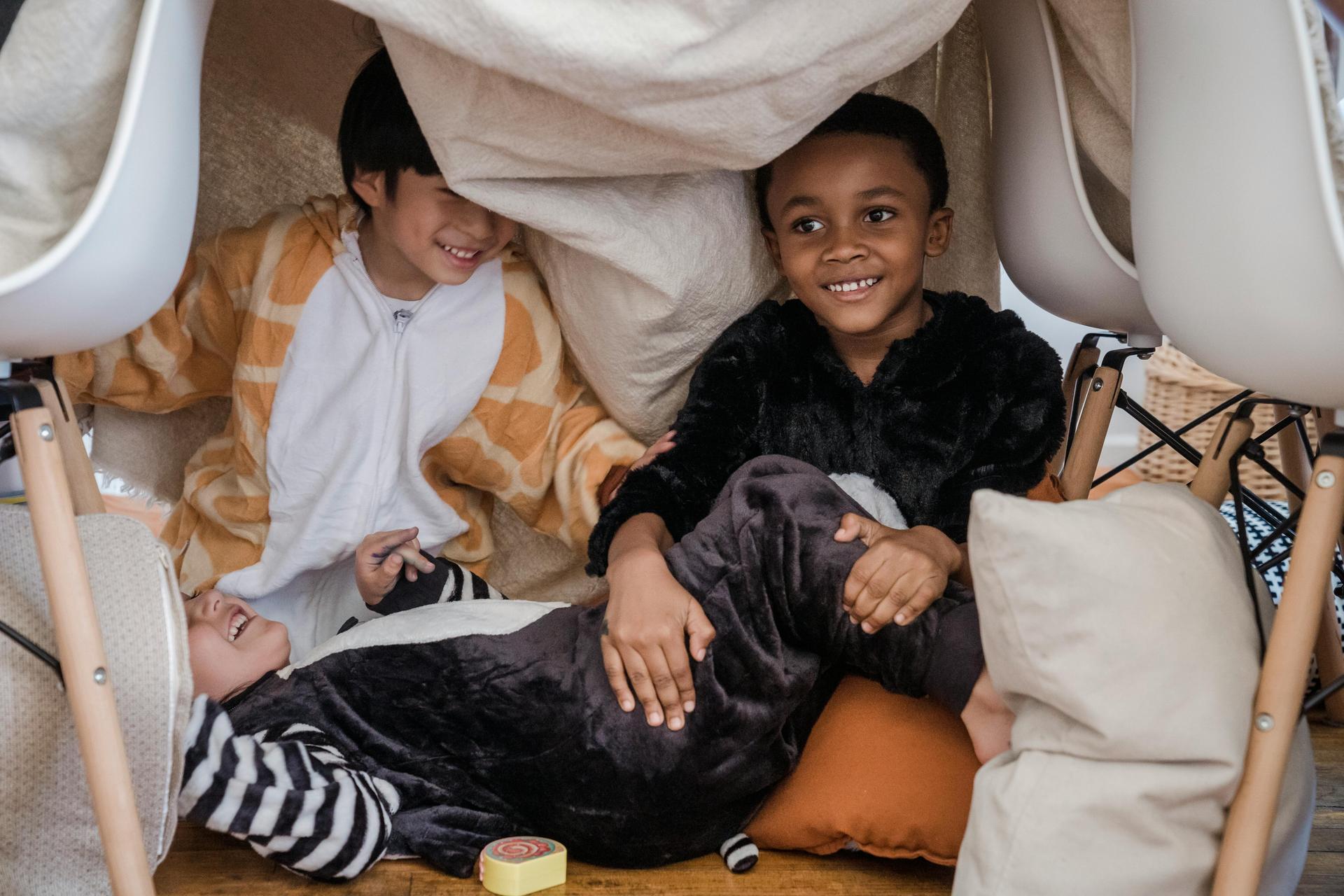
The Play: 1, 2, 3, go… the play begins and every session is a surprise. Children are free to move in the space, abandon themselves to pleasure and fantasy using unstructured materials that can be transformed and reinterpreted. The practitioner observes what emerges and relaunches, mirrors, and accompanies the play, helping to create meaning.
Jumps, balance games, and rolling make them feel their body boundaries and their strength. Animal dens or houses make us feel safe; building restaurants opens us up to others and brings us into the relationship. Fantasy and creativity, together with the pleasure of moving, give birth to stories, inventions, and opportunities to try to feel good with oneself and others. They bring out fears and needs that, within the play, can find a safe space to be expressed or processed.
The Final Phase: We take a moment to slow down and let emotions settle. Through activities like drawing, reading, or modeling, we transition from the excitement of play to a calm state before saying goodbye.